How I teach | From the lecture hall to the street
Drawing is not reproducing reality. It's learning to look at it with a different kind of attention: slower, more curious, more honest.
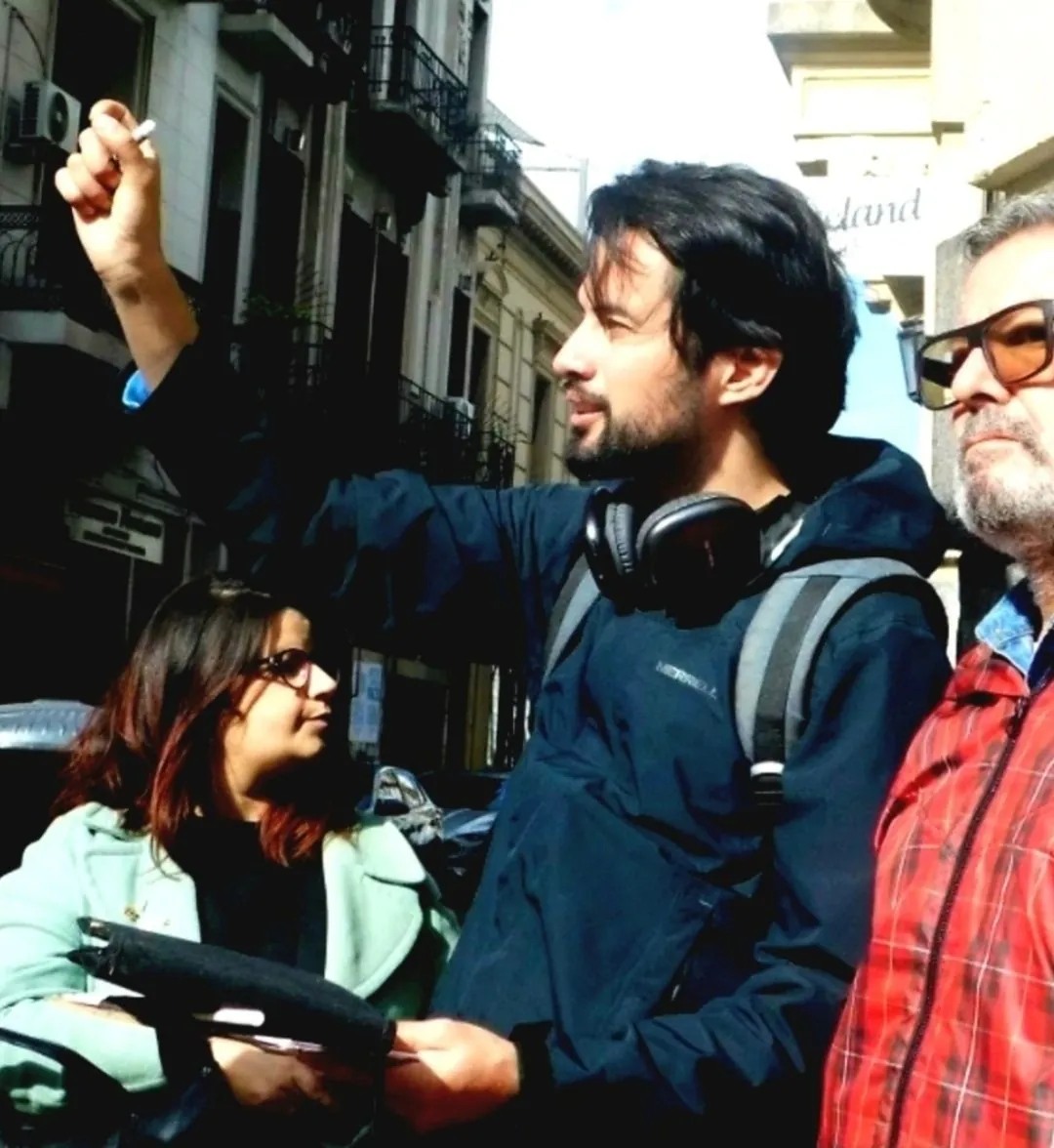
I was a teaching assistant and then a lecturer in Graphic Expression at the Faculty of Architecture. I always insisted on the same thing: rather than teaching people to draw, teaching them to communicate and express. And I always took my students out of the classroom to draw. Today I do the same on the streets of Buenos Aires.
Read the full text
The "pretty or ugly" drawing stigma
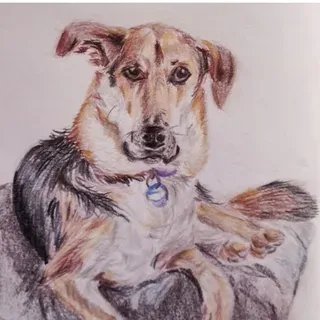
We grow up conditioned by realistic drawing, by the "pretty" painting in the living room and by the cartoons of our childhood, the time in our lives when we draw the most. If those were our references, it's no surprise that's how we try to draw. The problem comes when it doesn't work out and we say "I can't draw" or "my drawing is ugly". I've lost count of how many times I heard that in class. Breaking that stigma is possible once you understand that drawing is communicating.
Drawing out in the open
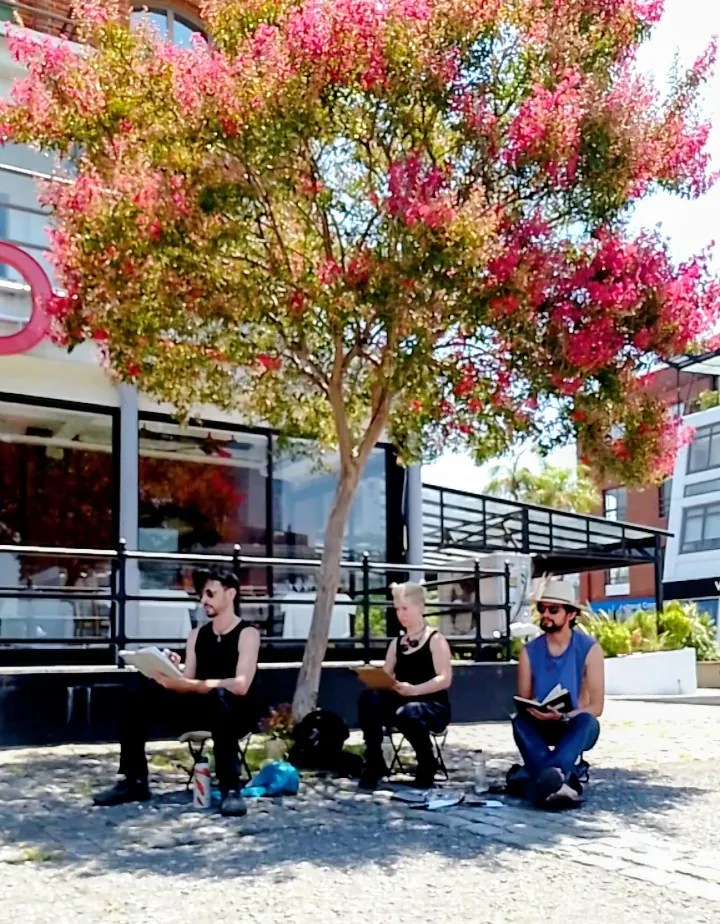
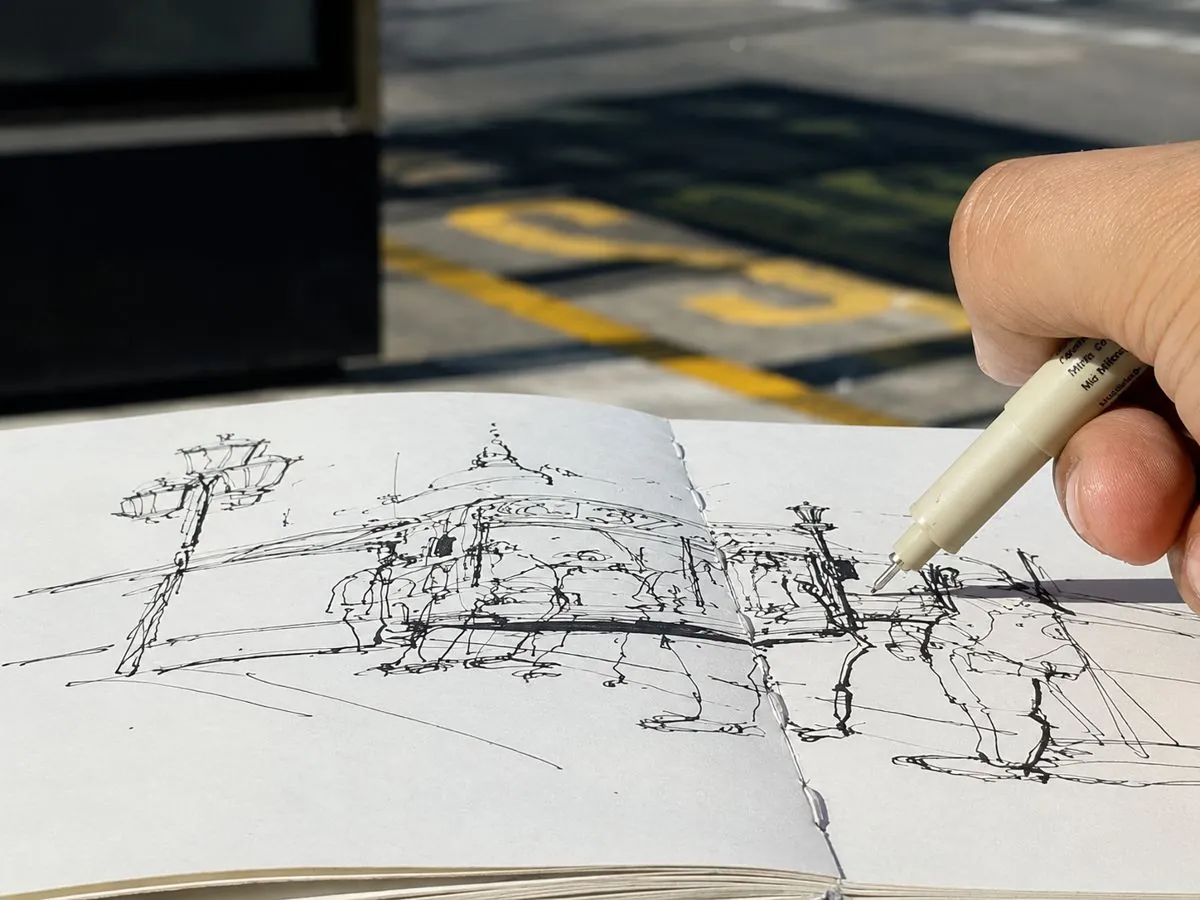
Drawing outdoors is one of the best ways to train observation. Beyond perspective, the human figure, vegetation and shadows, there's the need to capture an everyday situation in real time. With practice, the line gains confidence and the synthesis improves. You learn by looking and drawing again.
From the faculty to the street
Leaving the classroom to come face to face with reality was compulsory in my course: we drew in parks, squares and around the faculty, and we even drew each other to understand geometry and proportion. Years later I still do the same. The question is still the same: what do you want to communicate with this line? The answer is never "a pretty drawing". It's always something far more interesting.